The story of Léon Verhelst
-
1872
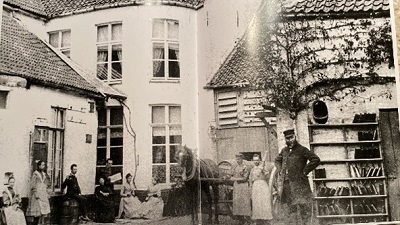
Léon Verhelst was born in Diksmuide on 20 February. He grew up as the third child in a family of ten, in his father's brewery, Het Gouden Kruis.
-
1888
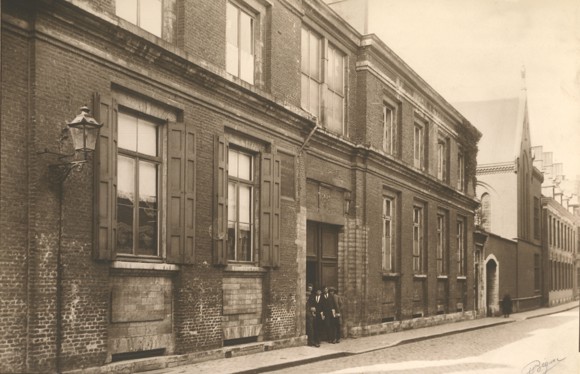
Enrols at the Brewery School of the Catholic University of Leuven, founded by his uncle Jules Vuylsteke. Here he lays the foundations for his later academic and industrial career.
-
1891
Graduated with highest honours as an engineer-brewer. After a short internship at the family brewery, he went abroad to further his knowledge of brewing techniques and languages (English, German).
-
1892 - 1898
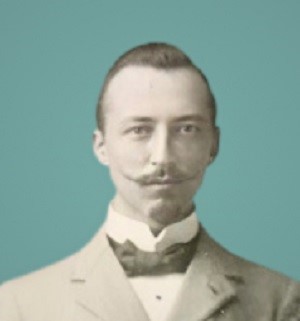
Technical director at the Rodenbach Brewery in Roeselare. He modernises production and builds a reputation as an innovator.
-
1898
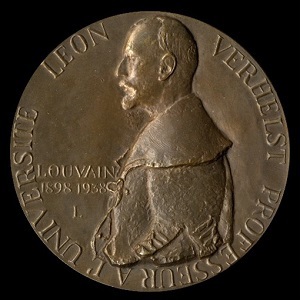
Return to Leuven: Verhelst marries Marie Nolf, niece of Professor Vuylsteke, becomes director at Artois Breweries, and becomes a professor at the Brewery School, a position he will hold for 40 years.
-
1901
Chairman of Brouwerijen Artois NV: Verhelst transforms the brewery into a public limited company, becomes its first chairman, and remains so until his death in 1955. He lays the foundations for Artois' later international successes.
-
1914-1918
First World War
4 August 1914: Invasion of Belgium.
25 August 1914: His house is set on fire by the Germans; his private library is lost.
Commits himself to the Comité des Notables to restore liveability in Leuven.
Exile in France, but continues to run the brewery through correspondence with Baron Eugene de Mevius. -
1919
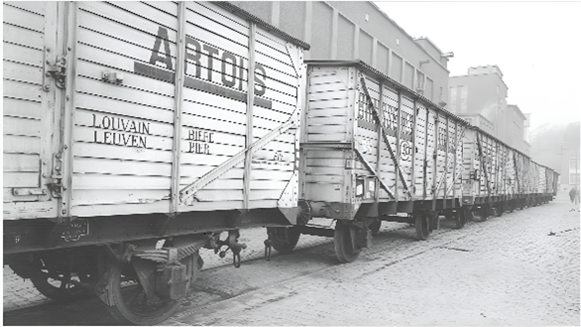
Return to Leuven: Resumes his chair and presidency with a wealth of new interesting technical findings and insights from his period of exile.
-
1926
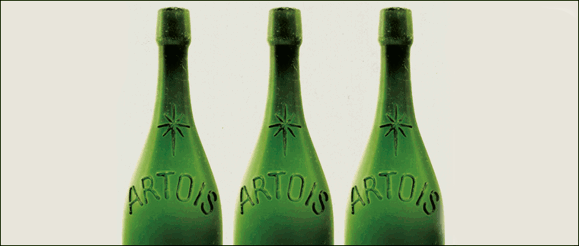
He registers the 'Stella Artois' trademark with the Chamber of Commerce in Leuven. This brand grows into an international icon.
-
1940-1945
Second World War
Provides financial support to mobilised brewery workers and their families.
Mobilises fellow brewers to rebuild Leuven after heavy bombing caused serious damage to the brewery and the homes of its employees.
Committed to supplying the civilian population.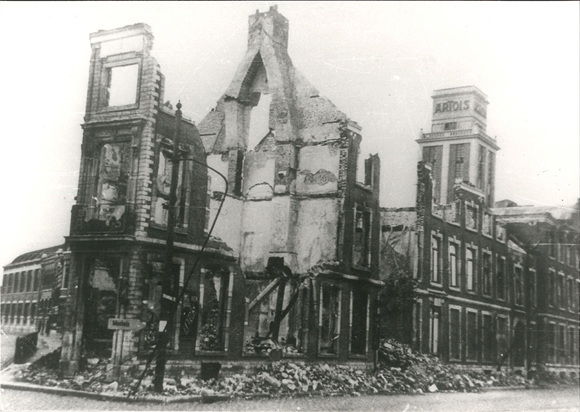
-
1945-1946
Post-war period
Difficult years for Belgian breweries.
Verhelst encourages better information and training for employees. -
1949
Official establishment of the Fonds Président Verhelst
After more than 50 years at Brouwerijen Artois, Verhelst and his wife decide to devote a large part of their assets to the welfare of Artois staff.
29 January: Publication of the articles of association of the non-profit organisation Fonds Président Verhelst in the Belgian Official Gazette.
15 September: The foundation is officially presented during an event in honour of his 50 years as chairman. Verhelst expresses his pride in having contributed to a large number of the company's social initiatives, often before they became mandatory by law.
Objective: social support for employees and their families, with a particular focus on the welfare and education of their children.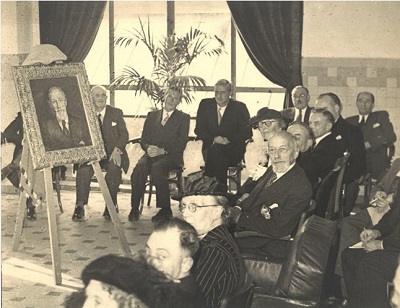
-
1955
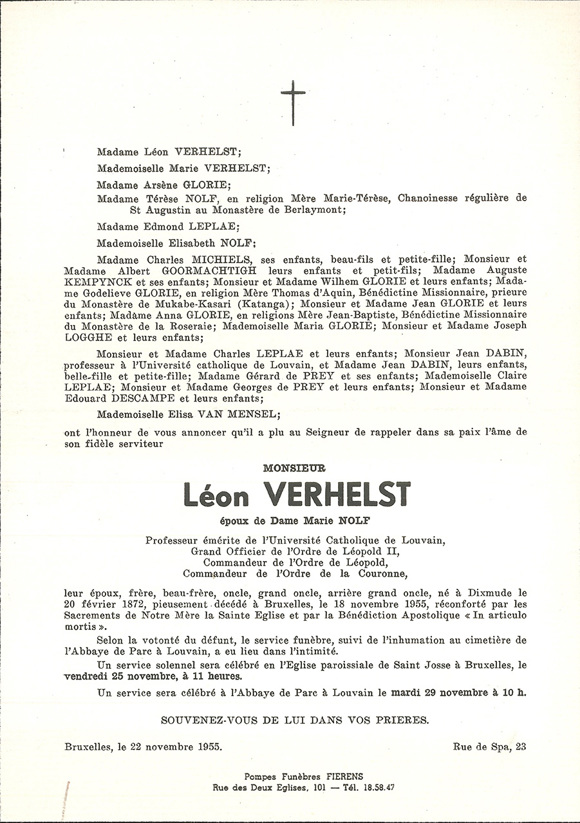
Death of Léon Verhelst at the age of 83
18 November: Léon Verhelst calls in sick in the morning for a Board of Directors meeting the following day. He is not feeling well. At around 3 p.m., his wife reports that his condition is deteriorating. Léon Verhelst dies that same day.
His death is widely mourned in the brewing world and the academic community.
His colleagues and former students remember him as a fair, modest and socially committed leader.
Léon Verhelst was a pioneer and an exceptional figure who had a lasting influence on the Belgian brewing sector and academic education. He combined entrepreneurship with a deep social commitment, which resulted in lasting initiatives such as the Fonds Voorzitter Verhelst (Chairman Verhelst Foundation). His leadership, international network, role as a professor and social commitment make him one of the most influential figures in the history of the Belgian brewing industry.
His legacy lives on in the generations of brewing engineers he trained, the social initiatives he launched and the international reputation of Belgian beer culture.
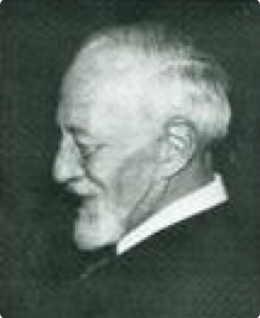
Colleagues from that time describe Léon Verhelst as modest, a man without intrigue or detours. He made decisions and acted on behalf of thousands of people, with his main concern being to serve them. He was not particularly fond of cars and preferred to travel by tram. Rather than going to a restaurant, he could be found at his office at lunchtime with his lunch box and a bottle of table beer.
His students, colleagues and relatives were impressed by his fairness, his greatness and his ability to bring out the best in everyone. They describe him as a true 'minister': if we forget the political meaning for a moment and return to the Latin origin of the word: a humble servant.
Curious to find out more? Click here